Casualbrush: A Bold Brush Font for Creative Branding
Casualbrush on a Café Logo Concept
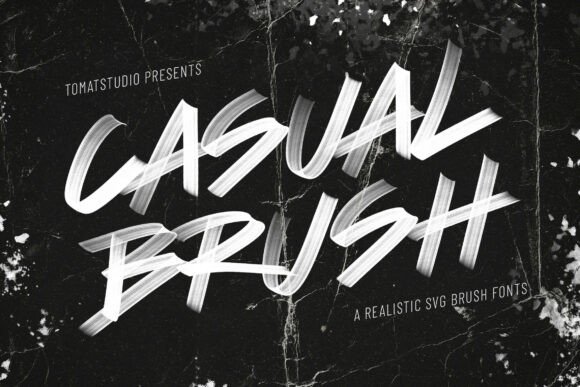
As I opened a blank brand board one morning, the first thing I reached for was Casualbrush. This Script Handwritten font immediately stood out with its bold, fluid, and energetic brush stroke that gave the impression of being hand-painted. I tested it on a logo concept for a new boutique café, and the results were instant. The font felt alive, like a real artist had brushed each letter with intention. It brought warmth and personality to the logo, making it feel approachable yet distinctive. I found myself using it in combination with a clean sans serif font for balance, which helped maintain readability while keeping the brand’s identity fresh.
Casualbrush in Packaging Mockups
Next, I moved to a packaging mockup for a handmade skincare product line. Here, Casualbrush really shined. The two styles included in the font allowed me to experiment with different levels of formality. One style was more refined, perfect for product labels, while the other had a looser, more expressive feel ideal for promotional materials. I noticed how well it worked on a minimalist white label—its energy didn’t overwhelm the design but instead added a touch of character. I also used it on a sample box, where it created a sense of authenticity and craftsmanship that resonated with the brand’s story.
Casualbrush for Social Media Graphics
When designing social media graphics for the same brand, I leaned into Casualbrush as a headline font. Its dynamic strokes made it stand out against vibrant backgrounds, especially when paired with high-contrast colors. I found that it worked best for short phrases or taglines rather than long body text. On Instagram posts, it added a personal, artisanal flair that matched the brand’s vibe. However, I did notice that at smaller sizes, the details of the brush strokes became less defined, so I always made sure to test it at the intended size before finalizing any designs.
Casualbrush in Web Design and Headers
In a website header for the café, I used Casualbrush as a primary display font. It created an inviting atmosphere, aligning with the café’s warm and welcoming theme. I paired it with a modern sans serif font for subheadings and body text, ensuring that the overall design remained legible and professional. The font’s energy didn’t clash with the rest of the layout—it enhanced it by adding a unique visual element that made the site feel more human and less corporate. I also experimented with using it in call-to-action buttons, where it added a playful yet trustworthy tone.
Casualbrush for Business Cards and Print Materials
For business cards, I opted for the more refined style of Casualbrush. It looked elegant on a matte finish cardstock, and the handwritten feel made each card feel personal. I used it for the name and title, while a complementary sans serif font handled the contact information. The result was a balanced blend of creativity and professionalism. I also used it on printed flyers and posters, where its boldness commanded attention without overshadowing the message. However, I always advised the client to avoid using it for large blocks of text, as it could become hard to read in extended formats.
When to Avoid Casualbrush
While Casualbrush is a versatile Script Handwritten font, it’s not suitable for every project. It should be avoided in formal corporate environments or for long-form content such as articles or legal documents, where clarity and consistency are paramount. It also doesn’t perform well at very small sizes, so it’s best reserved for headlines, logos, and short phrases. If you’re working on something that needs a more structured or traditional look, consider pairing it with a serif or sans serif font to maintain a professional balance.
Testing and Licensing Tips
Before committing to Casualbrush for a client project, I always recommend testing it across different platforms and sizes. Try it on a logo draft, a brand board, and a web header to see how it behaves in context. Also, make sure to review the font licensing terms carefully, especially if you plan to use it in commercial projects, templates, or print-on-demand products. Ensuring proper licensing will protect both you and your client from potential issues down the line.